The Truth About Kunimune Nihonto: Legacy of a Master
Among the legendary swordsmiths of feudal Japan, few names carry the weight and historical intrigue of Kunimune. Whether you’re a seasoned nihonto collector or just beginning your journey into the world of authentic Japanese swords, understanding the Kunimune lineage is essential. These blades represent some of the finest craftsmanship in Japanese sword history, spanning multiple schools and centuries of tradition. In this article, we’ll explore who Kunimune was, the distinct traditions that bear this name, the forging techniques that set these blades apart, and what collectors should know before seeking one out.
Who Was Kunimune? Unraveling the Name Behind the Blades
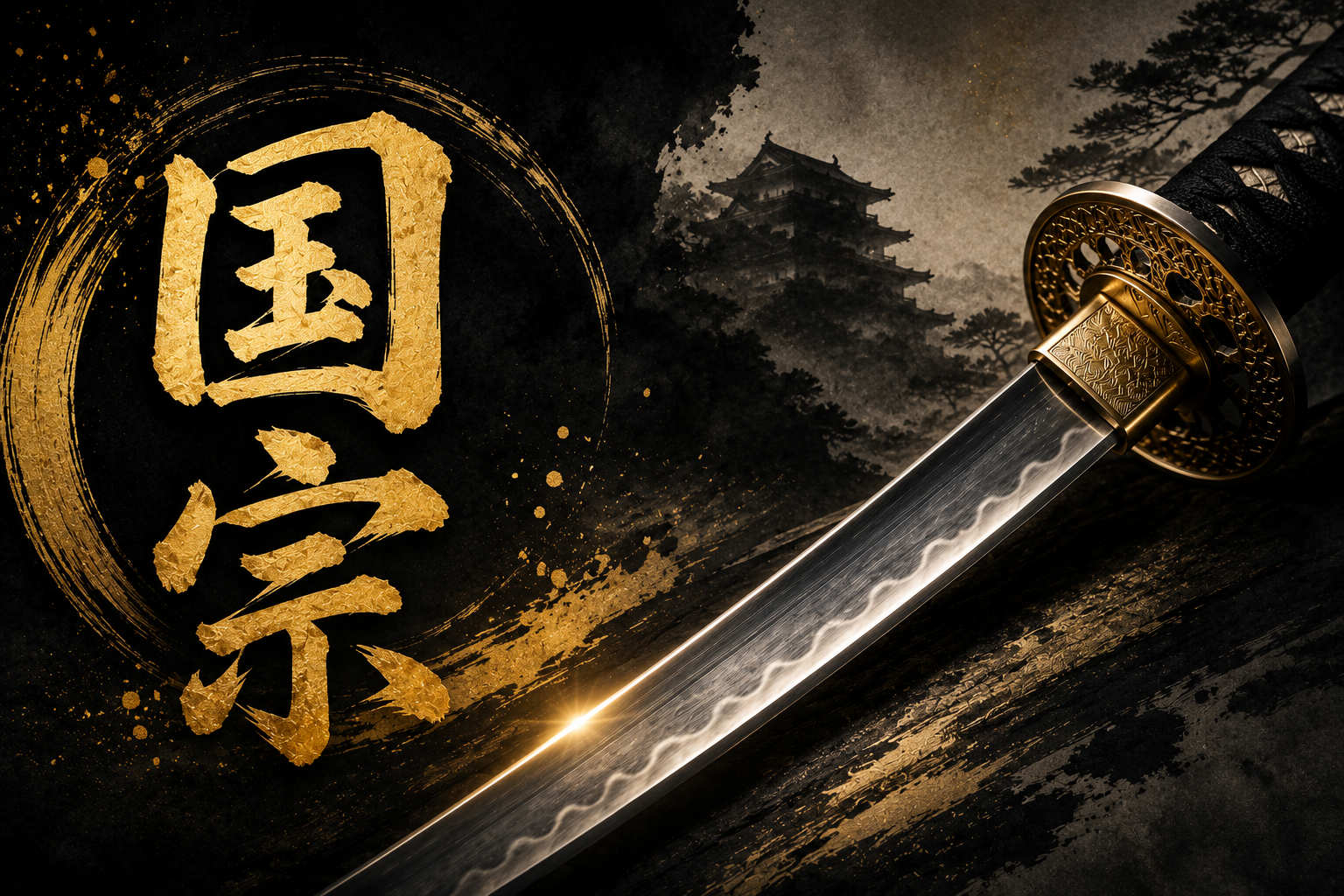
The name “Kunimune” (国宗) doesn’t refer to a single swordsmith but rather to several generations and lineages of smiths who carried this prestigious name. In the world of nihonto — a term meaning “Japanese sword” — understanding the distinction between smiths who share the same name is crucial for proper attribution and valuation.
The most celebrated figure associated with this name is Bizen Saburō Kunimune (備前三郎国宗), a smith of the Kamakura period (1185–1333) who worked in Bizen Province, one of the most important centers of sword production in Japanese history. Bizen Saburō Kunimune is often regarded as one of the finest smiths of the Fukuoka-Ichimonji tradition, and his works are treasured as masterpieces of the art form.
However, the Kunimune name also appears in entirely separate sword-making traditions, most notably the Uda school of Etchū Province. The Uda Kunimune line produced blades with distinctly different characteristics from the Bizen tradition, reflecting regional differences in forging philosophy, materials, and aesthetic priorities.
Bizen Saburō Kunimune: The Pinnacle of Kamakura-Era Craft
Historical Context and Significance
Bizen Saburō Kunimune worked during what many scholars consider the golden age of Japanese sword making. The Kamakura period saw tremendous demand for high-quality weapons due to ongoing military conflicts, and the Bizen region responded by producing an extraordinary concentration of talented smiths. Kunimune stood out even among this elite group, earning the informal title “Saburō” (third son), which became permanently associated with his identity.
His work is closely related to the broader Bizen tradition, which emphasized nie and nioi based hamon (temper patterns) and a rich, layered jigane (steel surface) that displays the beautiful grain patterns Bizen blades are famous for.
Kunimune’s Forging Method
What made Bizen Saburō Kunimune’s blades stand apart was his mastery of steel folding and differential hardening techniques. His works typically exhibit a mokume-hada (wood-grain pattern) in the jihada, sometimes mixed with itame, creating a rich visual texture that speaks to the careful selection and manipulation of raw materials.
The hamon on Kunimune blades tends to be chōji-midare (clove-shaped irregular pattern) — a hallmark of the Bizen tradition — executed with remarkable precision and variation. The activity within the hamon, including ashi (legs of temper extending toward the edge) and yō (leaf-shaped formations), demonstrates an extraordinary level of control over the quenching process.
Surviving blades by Bizen Saburō Kunimune are exceedingly rare and are often designated as Jūyō Tōken (Important Sword) or higher by the NBTHK (Society for the Preservation of Japanese Art Swords), making them highly sought after by serious collectors worldwide.
Uda Kunimune: A Distinct Northern Tradition
The Uda school originated in Etchū Province (modern-day Toyama Prefecture) and is believed to have been founded during the late Kamakura to early Nanbokuchō period. Several smiths in this lineage carried the name Kunimune, and their works represent a very different aesthetic compared to the Bizen tradition.
Uda blades tend to feature a more subdued and practical style of workmanship. The jigane often shows masame-hada (straight grain) mixed with itame, and the hamon is generally suguha (straight) or gently undulating, reflecting the school’s emphasis on functional durability over flamboyant visual effects. The steel of Uda swords often has a distinctive dark and somewhat rough quality, which experienced collectors learn to recognize and appreciate for its honest, utilitarian beauty.
For collectors, Uda Kunimune blades offer an accessible entry point into historically significant nihonto. While they rarely reach the stratospheric valuations of Bizen masterworks, they are genuine artifacts of Japan’s martial heritage and carry their own compelling story.
Attribution and Authentication: What Collectors Must Know
Given that multiple smiths across different schools and eras used the name Kunimune, proper attribution is critical. Collectors should look for the following when evaluating a blade attributed to Kunimune:
- Mei (signature): Examine the tang inscription carefully. The style of characters, their placement, and the filemarks (yasurime) on the tang can help distinguish between different Kunimune smiths.
- Shinsa papers: Always seek blades with authentication papers from recognized organizations like the NBTHK. Papers will typically specify the school and, when possible, the generation of the smith.
- Sugata (shape): The overall form of the blade — its curvature, width, and point style — provides crucial clues about the era and school of production.
- Jihada and hamon: As discussed above, the steel grain and temper pattern are among the most reliable indicators for distinguishing Bizen Kunimune from Uda Kunimune and other lineages.
Misattribution is not uncommon in the nihonto world, especially with names as widely used as Kunimune. Working with knowledgeable dealers and studying reference materials are essential steps for any serious buyer.
Why Kunimune Nihonto Still Captivate Collectors Today
The enduring appeal of Kunimune blades lies in their connection to pivotal eras in Japanese history. Whether it’s a Kamakura-period masterwork from Bizen or a rugged Uda blade forged for warriors on the northern frontier, each Kunimune sword carries within it centuries of tradition, craftsmanship, and martial spirit.
For modern collectors, these blades represent more than just antiques — they are tangible links to a culture that elevated sword making to the level of sacred art. Studying the differences between Kunimune traditions deepens one’s understanding of how geography, patronage, and conflict shaped the evolution of the Japanese sword.
If you’re looking to acquire an authentic nihonto — whether a storied Kunimune blade or another masterwork from Japan’s rich forging traditions — Ifu offers a curated selection of high-quality, genuine Japanese swords for collectors who demand excellence and authenticity.
Final Thoughts
The Kunimune name represents not one legacy but many, woven across provinces, centuries, and schools of thought. From the celebrated brilliance of Bizen Saburō Kunimune to the steadfast practicality of the Uda lineage, these nihonto embody the diversity and depth of Japanese sword culture. Whether you’re researching your first purchase or adding to a distinguished collection, understanding the Kunimune tradition will enrich your appreciation of every blade you encounter.