Nihonto Buying Guide: How to Choose and Purchase an Authentic Japanese Sword
Few objects in the world carry the mystique, craftsmanship, and cultural weight of a nihonto — a traditionally forged Japanese sword. Whether you’re a seasoned collector expanding your collection or a passionate enthusiast acquiring your very first blade, purchasing a nihonto is a significant decision that demands knowledge, patience, and discernment. This comprehensive nihonto buying guide will walk you through everything you need to know before making your investment, from understanding sword classifications to verifying authenticity and navigating the market with confidence.
What Is a Nihonto?
The term nihonto (日本刀) literally translates to “Japanese sword” and refers to blades that have been traditionally forged in Japan using time-honored methods passed down through generations of master swordsmiths. Unlike modern reproductions or mass-produced imitations, a true nihonto is crafted from tamahagane — a specialized steel smelted in a traditional clay furnace called a tatara. The forging process involves repeated folding, hammering, differential hardening, and meticulous polishing, resulting in a blade that is both a functional weapon and a profound work of art.
Nihonto encompass several types of swords, including the katana (long sword), wakizashi (companion sword), tantō (dagger), and tachi (cavalry sword). Each type has its own historical context, dimensions, and aesthetic characteristics that collectors should familiarize themselves with before purchasing.
Understanding Sword Periods and Classifications
Kotō (Old Swords) — Pre-1596
Kotō blades are the earliest classification of nihonto, produced before the end of the Momoyama period. These swords were forged during Japan’s most turbulent eras of warfare and are highly prized for their historical significance. The steel characteristics and forging traditions varied widely by region, with schools such as Bizen, Yamashiro, Yamato, Sōshū, and Mino producing distinctly different styles. Authentic kotō blades are rare and typically command the highest prices on the market.
Shintō (New Swords) — 1596–1780
The shintō period emerged during the peaceful Edo era when swordsmiths began experimenting with new steelmaking techniques and aesthetic approaches. These blades often feature cleaner, more uniform steel with striking visual qualities. While they saw less battlefield use, shintō swords represent remarkable artistic achievement and are widely collected.
Shinshintō (New New Swords) — 1781–1876
During the late Edo period, swordsmiths attempted to revive the forging methods of earlier centuries. Shinshintō blades often combine classical aesthetics with refined late-period craftsmanship. This era ended with the Meiji government’s sword abolishment edict in 1876.
Gendaitō (Modern Swords) — 1876–Present
Modern nihonto are produced by licensed swordsmiths in Japan who continue traditional forging methods. These contemporary blades must meet strict standards set by the Japanese government and offer collectors an opportunity to own authentic nihonto at more accessible price points. Swords made by top-rated modern smiths have become increasingly collectible.
Key Factors to Evaluate Before Buying
Authenticity and Documentation
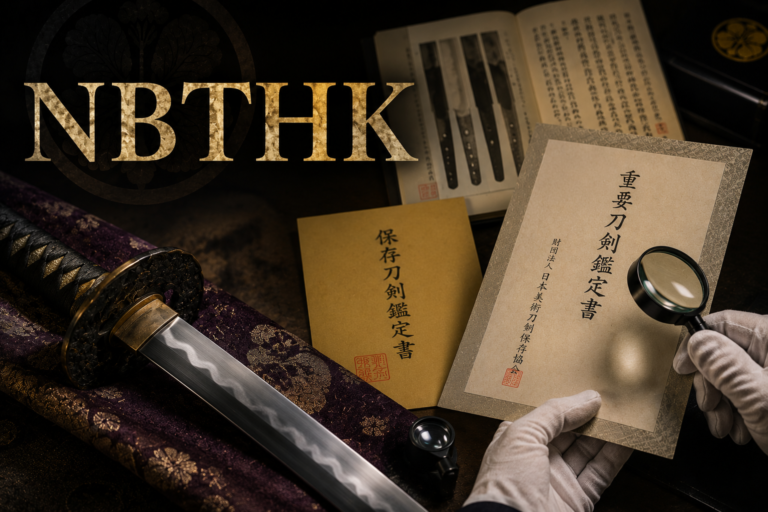
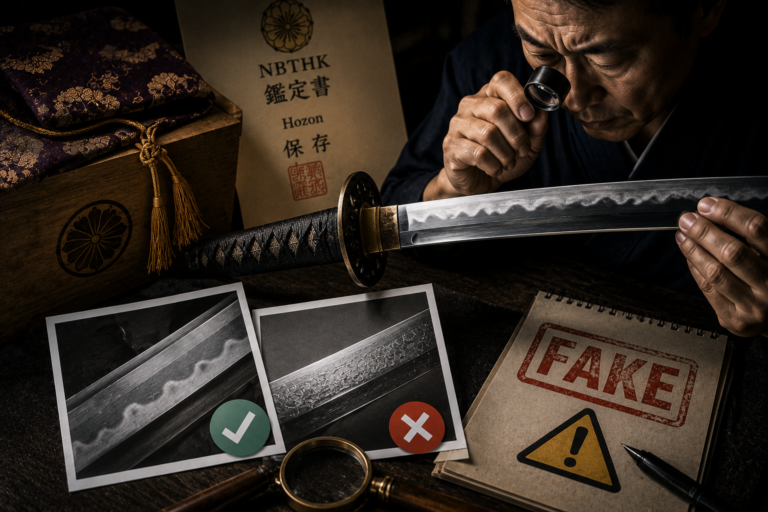
The single most important aspect of purchasing a nihonto is verifying its authenticity. Legitimate nihonto should ideally come with documentation from the NBTHK (Nihon Bijutsu Tōken Hozon Kyōkai — Society for the Preservation of Japanese Art Swords) or the NTHK (Nihon Tōken Hozon Kai). These organizations issue certificates called origami that authenticate the blade’s maker, period, and quality. Papers range from basic preservation certificates (hozon) to the prestigious tokubetsu jūyō designation for blades of extraordinary importance.
Be cautious of swords sold without papers. While an unpapered blade is not necessarily fake, the lack of documentation makes verification significantly harder and introduces considerable risk, especially for newer collectors.
Blade Condition
Examine the blade carefully for the following characteristics:
- Hamon (temper line): The visible pattern created by differential hardening. A genuine hamon is embedded in the steel structure, not etched or painted on the surface.
- Hada (grain pattern): The folded steel grain visible on the blade’s surface. Different schools produce characteristic grain patterns such as itame (wood grain), masame (straight grain), and mokume (burl grain).
- Flaws and damage: Look for chips (hakobore), cracks (hagire), rust, pitting, and bends. Some flaws are cosmetic, while others — particularly hagire — can be structurally fatal and significantly diminish value.
- Polish quality: A proper traditional Japanese polish (togi) is essential for revealing the blade’s true beauty and features. A poorly polished or unpolished blade may hide both qualities and defects.
Nakago (Tang) Examination
The nakago is the unpolished portion of the blade hidden within the handle. It is one of the most important areas for authentication. A genuine nihonto’s tang will show natural aging and patina consistent with its purported age. The mei (signature) inscribed on the tang should be examined carefully — file marks, shape, rust coloring, and the style of inscription all provide critical clues about authenticity and attribution.
Koshirae and Mountings
The koshirae (sword mountings) — including the tsuba (guard), tsuka (handle), saya (scabbard), and various fittings — contribute significantly to both the aesthetic appeal and monetary value of a nihonto. Antique koshirae can be works of art in their own right. However, prioritize the blade itself over the mountings; a superior blade in plain shirasaya (storage mounting) is generally a better investment than a mediocre blade in elaborate fittings.
Where to Buy Nihonto
Reputable Dealers and Specialty Retailers
Purchasing from established, reputable dealers is the safest route for both new and experienced collectors. A trustworthy dealer will provide detailed photographs, condition reports, provenance information, and authentication papers. They will also offer return policies and stand behind the authenticity of their inventory. Look for dealers who specialize exclusively in Japanese swords and have verifiable track records within the collecting community.
Auctions
Both Japanese and international auction houses occasionally feature nihonto. Auctions can yield exceptional finds, but they also carry greater risk. Inspection opportunities may be limited, and competitive bidding can push prices above fair market value. Ensure you thoroughly research any lot before bidding.
Online Marketplaces
While online platforms have made nihonto more accessible globally, they also present significant risks. Counterfeit swords, misleading descriptions, and misattributed blades are common pitfalls. If purchasing online, deal only with sellers who have strong reputations, offer comprehensive return policies, and provide high-resolution photographs of the blade, tang, and any accompanying documentation.
Budget Considerations and Pricing
Nihonto pricing varies enormously depending on age, maker, condition, rarity, and documentation. Entry-level authentic nihonto — often mumei (unsigned) blades from the shintō or shinshintō periods — can start from several hundred to a few thousand dollars. Mid-range collector pieces with solid attributions and good condition typically fall in the range of $3,000 to $15,000. Museum-quality blades by renowned smiths or those carrying prestigious NBTHK designations can command tens of thousands or even hundreds of thousands of dollars.
Set a realistic budget and prioritize quality over quantity. A single well-documented, well-preserved blade will bring more lasting satisfaction and hold its value better than multiple dubious purchases.
Legal Considerations for International Buyers
If you are purchasing a nihonto from Japan, be aware that Japanese law requires an export permit for all antique swords leaving the country. Reputable dealers will handle this process, but it can take several weeks. Additionally, familiarize yourself with your own country’s import regulations regarding bladed weapons. Many countries permit the import of antique and traditionally made swords with proper documentation, but the specific requirements vary significantly by jurisdiction.
Building Your Collection with Confidence
Becoming a knowledgeable nihonto collector takes time and study. Invest in reference books, join collector communities and forums, attend sword shows, and handle as many blades as possible to develop your eye. Organizations such as the Japanese Sword Society of the United States (JSSUS) and equivalent groups worldwide offer invaluable educational resources and opportunities to connect with experienced collectors.
When you’re ready to acquire an authentic nihonto, choosing a dealer that prioritizes quality, transparency, and deep expertise in Japanese swords makes all the difference. At Ifu, a curated selection of high-quality authentic Japanese swords is available for collectors who value craftsmanship, provenance, and the enduring beauty of traditionally forged blades.
A nihonto is more than a purchase — it is a connection to centuries of Japanese artistry, martial tradition, and spiritual philosophy. With the knowledge in this guide, you are well-equipped to begin or continue that journey with confidence and discernment.